
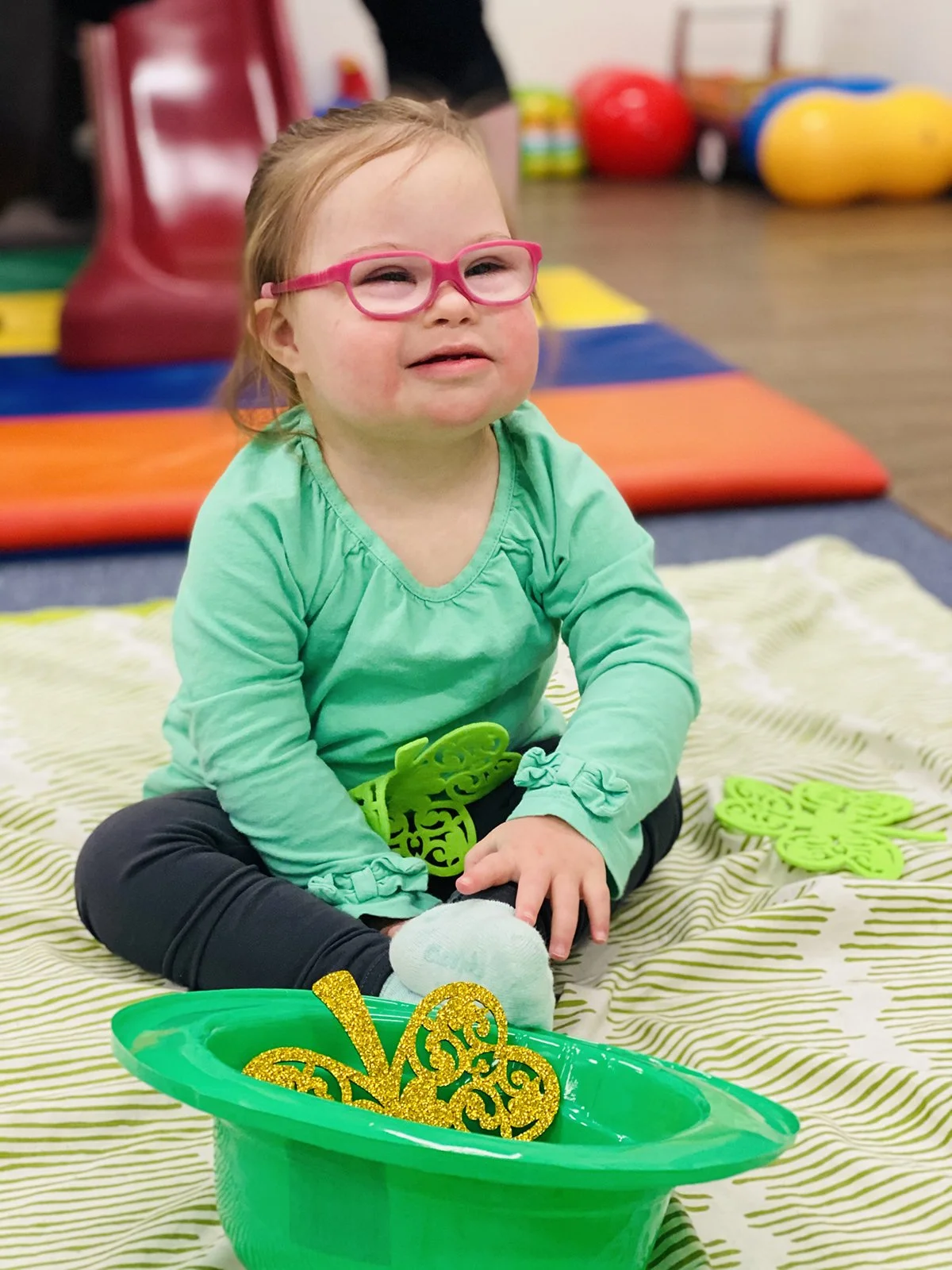
Each child is unique, and their services should reflect their individual needs.
Beginning therapy may seem intimidating, but it’s also an opportunity to learn how to support your child in achieving developmental milestones.
Here at Progressive Steps, our therapists are committed to creating personalized sessions filled with fun and engaging activities tailored to each child’s unique needs. Therapists assist parents with developing the tools and strategies necessary to carry out activities at home, helping their child stay immersed in learning beyond therapy sessions.
Speech Language Therapy
(0-7 years old)
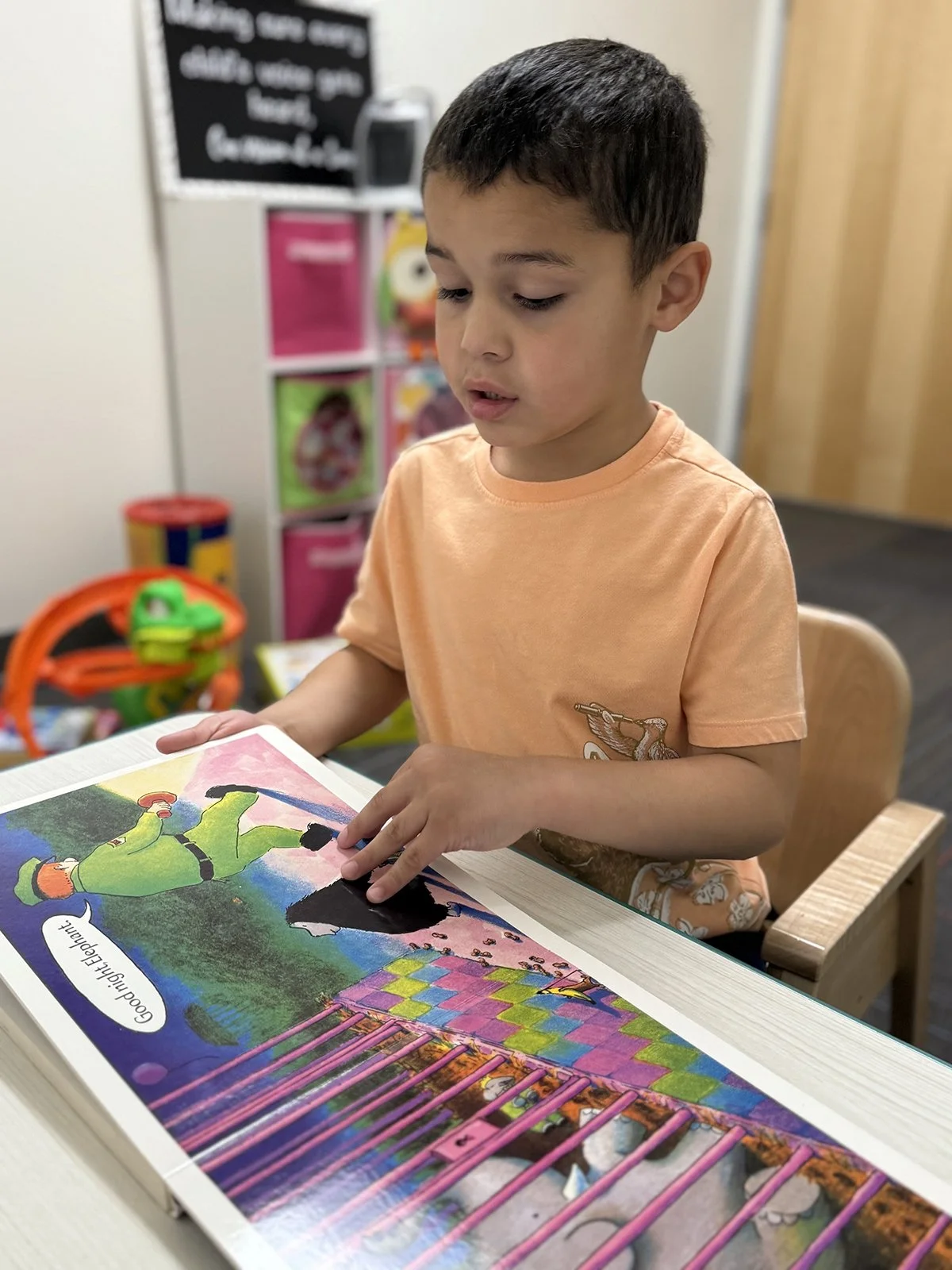
Our licensed speech-language pathologists are specifically trained to meet each child’s unique communication needs. Our experienced staff assess and develop individualized treatment plans for children ages 0-7 in the following areas: receptive language, expressive language, oral-motor skills, and articulation/phonological development. We provide a supportive environment that fosters meaningful circles of communication.
Physical Therapy
(0-5 years old)
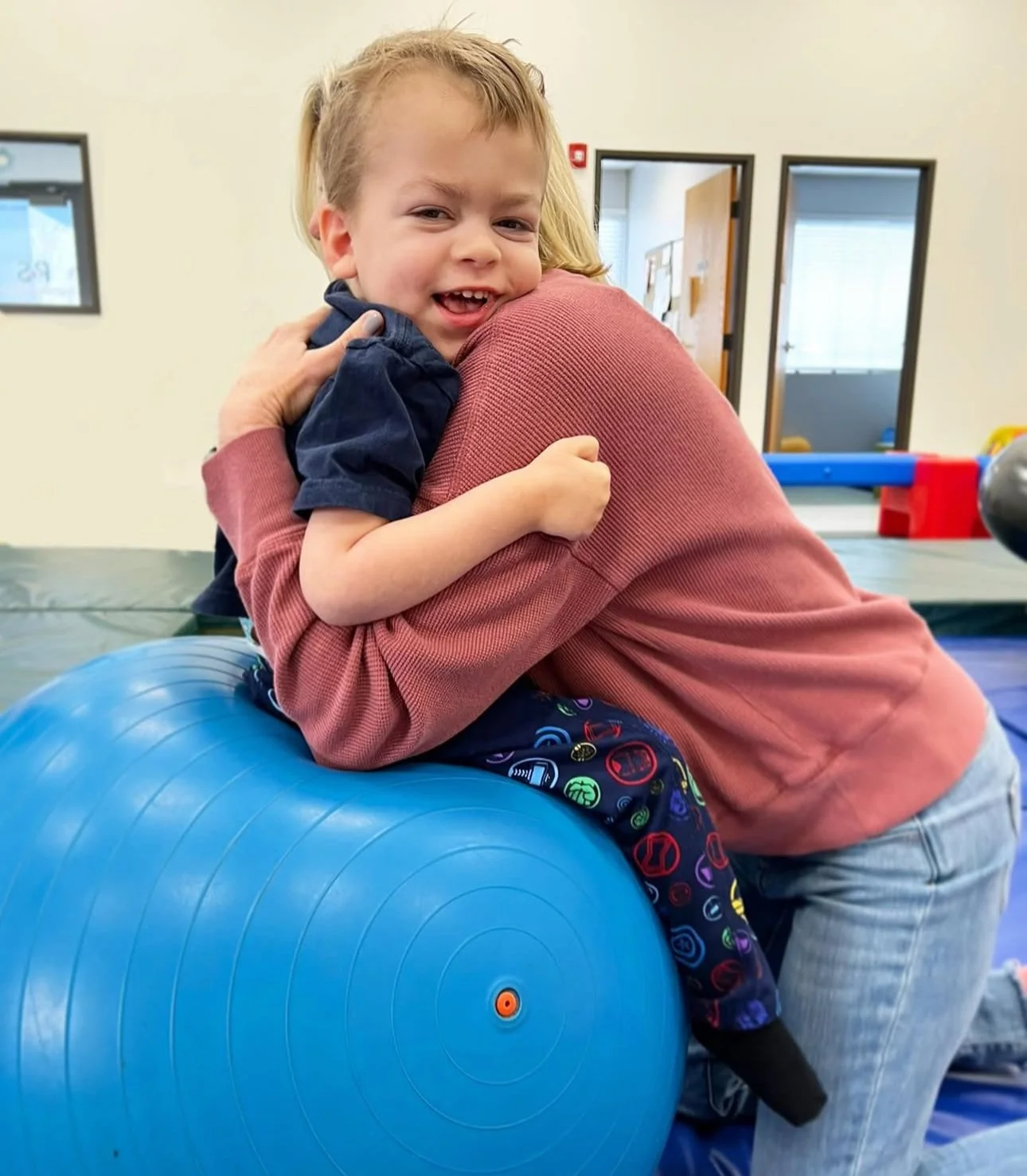
Our physical therapists bring compassion, creativity, and expertise to every session. They assess gross motor development, strength, range of motion, muscle tone, posture, balance, coordination, and quality of movement. Your child’s PT will collaborate with other members of their care team and incorporate activities that facilitate growth across all areas of development. Parents are guided in home-based activities to ensure carryover of the physical therapy program. Our PT staff provides individualized goals and activities for each child through movement, and play as well as encouraging progress in daily routines.
Occupational Therapy
(0-5 years old)
Our occupational therapists help little ones build essential skills for everyday life. Through engaging activities and hands-on support, our therapists nurture the development of children ages 0-5 in motor coordination, sensory processing, and problem-solving. Whether it's grasping a crayon, sculpting with playdough, digging in the sand, playing ball with friends, or feeding themselves with a spoon and fork, our therapists work closely with your child and family to create a comprehensive home program that carries over into the child’s home environment.
-
At Progressive Steps, our Occupational Therapists are trained to evaluate, treat and provide consultation for children ages 0-5 years, with feeding and swallowing difficulties. Feeding therapy can address issues caused by medical conditions, sensory sensitivity and sensory processing difficulties, motor impairments including oral motor delays and behavioral challenges. If your infant/toddler is demonstrating any of the following feeding problems, you may want to consider feeding evaluation for your child.
Infant Feeding “Cause for Concern”
Difficulties latching onto the breast or the bottle
Milk leaking from the sides of their mouth
Gagging, coughing or choking during breastfeeding or bottle feeding
Frequent and large spit ups or vomiting during or after feedings
Milk coming out of their nose
Takes more than 30 minutes to finish a feeding
Eats every 1-1.5 hours or seems to be hungry 30 minutes after a feeding
Baby seems to feed better when asleep and falls asleep at the beginning of a feeding
Arching, crying and stiff when eating
Gagging often with purees or other types of solids
Spitting food out and not swallowing any food by 10 months of age
Refusing any type of solids by 10 months of age
Toddler/Child's Feeding “Cause for Concern”
Poor weight gain or weight loss
Gagging, coughing or choking during meals
Vomiting during meals
Liquid or food coming out of the nose often
Is not able to transition from purees to more textured foods
Avoids all food with a specific texture or within a food group
Eats less than 20 foods by 2 years of age
Child is reportedly “picky” for more than 6 months
Child refuses to sit for meals
Child doesn’t like to touch food or gets upset when his hands/face are dirty/messy
-
This program helps children develop the ability to process and organize sensory information in their environment, enabling them to respond to and participate more successfully in daily life.
Most people are familiar with the five senses (touch, sight, hearing, smell, and taste) but there are two additional senses that play a crucial role in how we experience the world:
Vestibular stimulation: This is our sense of movement and balance, registered through the inner ear. It helps us understand where our head and body are in space.
Proprioception: This is our sense of body awareness, which comes from receptors in our muscles and joints. Proprioception affects how we move and interact physically within our surroundings.
When a child experiences a Sensory Processing Disorder (SPD), their brain may have difficulty interpreting and organizing sensory information. This can make everyday situations challenging and impact their ability to respond appropriately.
Children who are over-responsive to sensory input may avoid certain textures, foods, or sounds; resist touching specific objects; or show fear of climbing or movement. They may also become easily overwhelmed in noisy or stimulating environments.
Conversely, sensory seekers are children who crave intense sensory input. They may pursue active, high-energy, or physically intense activities in an effort to meet their sensory needs.
Our therapists work closely with each child, using individualized activities and play-based interventions to strengthen sensory processing skills — helping them navigate the world with greater comfort, confidence, and success.
Child Development
Specialist Services
(0-3 years old)
We believe children learn best in environments where they feel most comfortable. Our Child Development Specialists (CDS) support each child’s growth through play-based learning in natural, everyday settings. We collaborate with families to create personalized strategies and goals that promote development across all domains, including cognitive, social-emotional, motor, and adaptive skills.
-
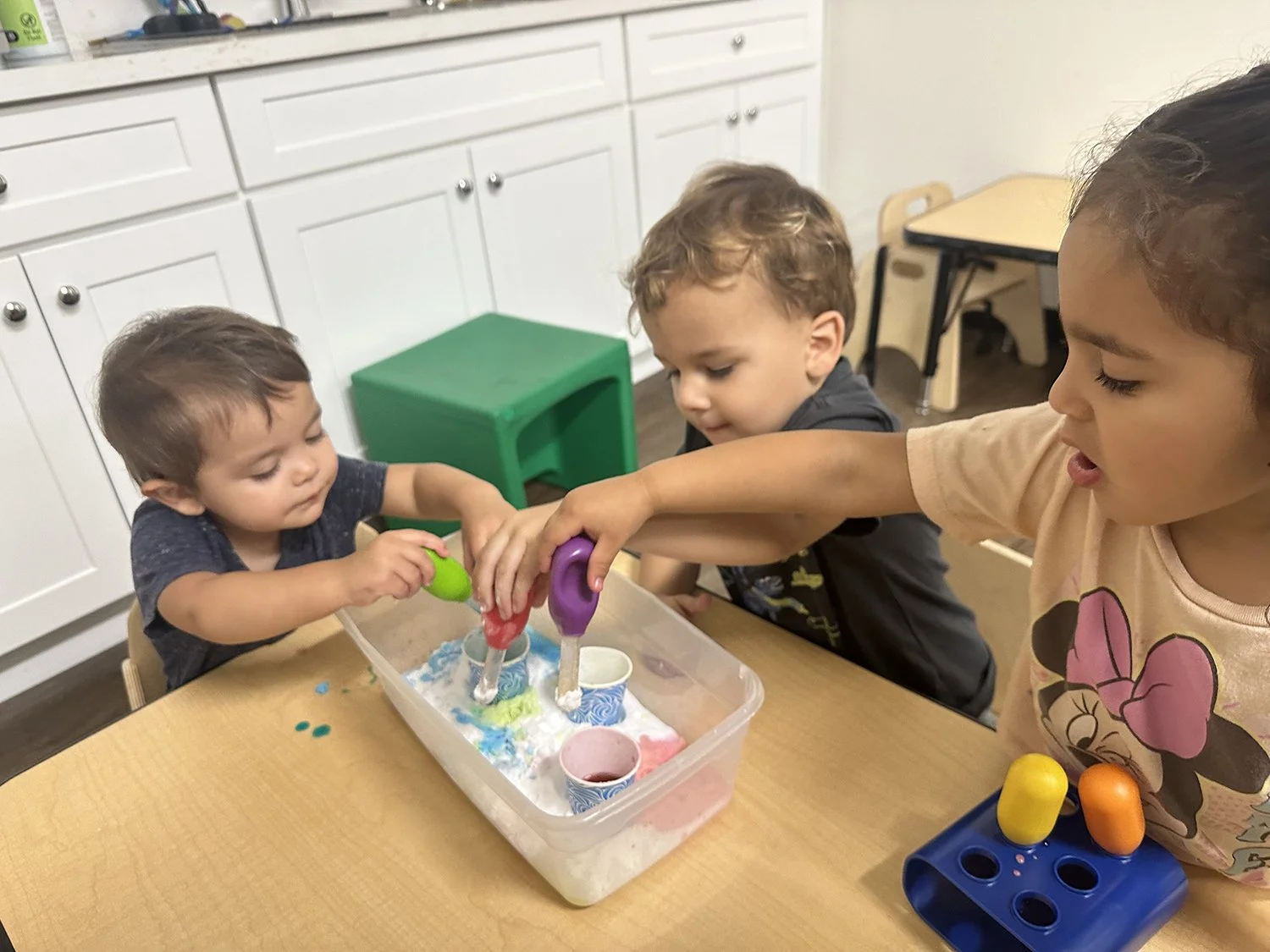
You and your child deserve a space rooted in community, compassion, and care. Our center-based social program, offered to North Los Angeles County Regional Center consumers ages 24–36 months, provides a 1:3 therapist-to-child ratio and gives families meaningful opportunities to participate in a preschool-like environment. Our therapists guide each child through engaging and developmentally appropriate activities tailored to their individual goals. Children work on transitioning without difficulty between activities, understanding and following classroom routines, participate in circle time, and engage in age appropriate peer interaction. They will also work on gross motor play, learn self help skills, and improve feeding skills. We celebrate every effort, offering praise for each task completed to the best of the child’s ability. The primary focus of the center-based program is to encourage engagement with peers through gross motor activities, snack time and giving and sharing with others.
-
At Progressive Steps we believe that parents are a child's first and most important teachers and role models. It is our goal to support, educate, and empower families as they navigate their child's developmental journey. Our team offers personalized guidance to help parents better understand their child's unique needs, access resources, and confidently advocate for services and support.
Discover the program that’s right for your child.
Ready to take the first step?
We’re happy to answer any questions and connect you with our staff.